
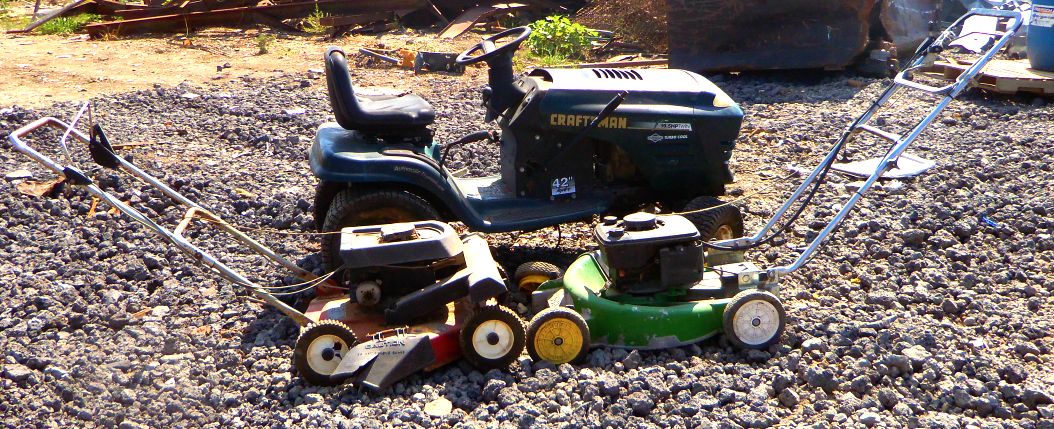
Steel scrap has become an important part of recycling efforts across cities where people value sustainability and resource recovery. Many households and small businesses accumulate unused metal that can easily turn into profit when sold responsibly. Recycling centers purchase it for reuse in various industries, offering an easy and practical way to convert clutter into cash.
If the goal is to sell steel scrap in Austin, preparation makes the entire process smoother and more rewarding. Understanding what materials hold the most value, how to prepare them, and where to take them ensures fair returns. With a little organization and knowledge of local procedures, first-time sellers can handle the process confidently and efficiently.
The Value Of Steel Scrap
Steel remains one of the most recycled materials because it keeps its durability and strength through reuse. It supports industries that depend on a consistent metal supply while reducing the need for new production. They pay according to weight, quality, and demand. In Austin, the value of steel varies with market conditions and metal type. Heavy beams and thick sheets bring higher returns compared to mixed or corroded steel.
Sort And Prepare Your Scrap
Proper sorting helps ensure an accurate price and faster processing. Separate magnetic steel from nonferrous metals such as copper or aluminum, since they fall under different categories. Removing non-metal attachments improves the quality of the load and boosts its overall value.
Before taking scrap to a recycling facility, focus on preparation:
- Clean Surfaces: Remove excessive rust, oil, or dirt to increase appeal.
- Organized Loads: Stack and group materials neatly for easier weighing.
- Safety Gear: Use gloves and protective clothing to prevent cuts or injuries.
- Material Separation: Distinguish heavy steel from light or mixed metal pieces.
Find The Right Scrap Yard
The right facility in Austin ensures a fair and smooth experience. Look for licensed yards that maintain accurate scales and post updated prices. Reliable facilities also follow regulations that protect both the seller and the environment. Location affects convenience for transport and unloading. A site with wide access roads or loading docks simplifies heavy deliveries.
Transport Your Steel Safely
Transport plays a vital role in preserving the quality and safety of your load. Secure each piece firmly to prevent movement during travel. A reinforced truck bed or sturdy trailer works best for carrying heavier scrap.
Before transport, remember these key points:
- Load Security: Use straps or chains to keep the steel in place.
- Balanced Weight: Distribute material evenly to avoid pressure on one side.
- Vehicle Capacity: Do not overload; maintain safety limits for smoother travel.
- Protective Equipment: Wear boots and gloves during loading and unloading.
The Selling Process
At the facility, staff usually weigh the loaded vehicle and then reweigh it after unloading to determine the net steel weight. Sellers must carry valid identification since local regulations require verification for metal transactions. After weighing, the yard provides a receipt with details of weight, rate, and payment. Review it before finalizing the sale to ensure accuracy. Keeping these records helps sellers track previous transactions and plan future visits based on price trends.
Maximize Your Return
Timely selling leads to better payouts. Monitoring steel prices and selling when market demand rises increases earnings. Clean and organized scrap always attracts a higher value than mixed or contaminated loads. Developing a relationship with a trusted yard in Austin improves consistency and service quality.
Steel scrap reuse supports both economic value and environmental responsibility. Careful separation of materials, safe transport by truck or trailer, and selection of a reputable yard together create a smooth, positive experience. Anyone who plans to sell steel scrap in Austin can turn the process into a simple and profitable task through knowledge and advance preparation. Steady effort and clear plans help residents of Austin turn unused steel into dependable income and support long-term sustainable practices.